What Is the Best Meme Coin Strategy for Beginners in 2026
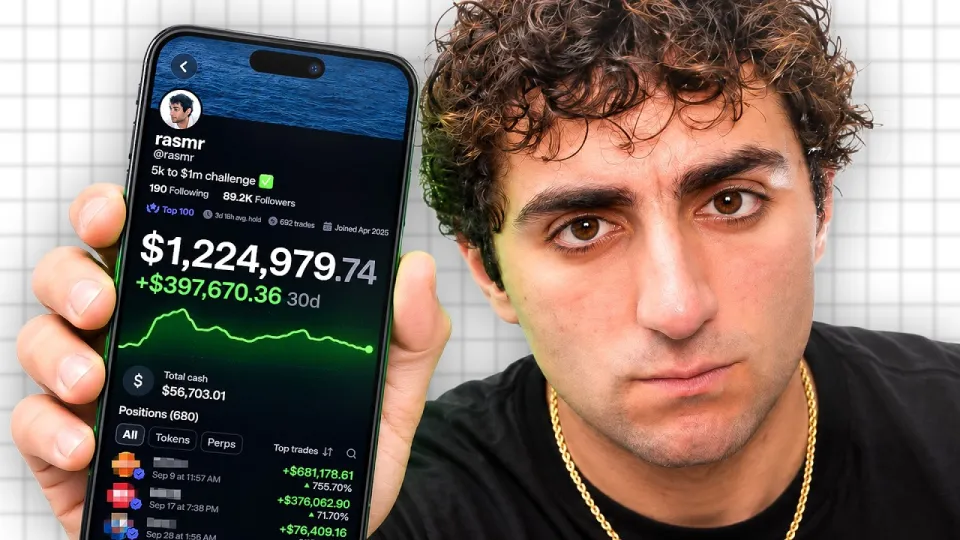
Video: 5 Years of Memecoin Knowledge in 12 Minutes
You can order the same kind of articles for your own video to boost it on YouTube and Google. Just message the Telegram bot @sat_sit_bot. Articles with your video embedded are written and posted by the bot itself — on popular topical sites (no ads). Free trial — 50 articles.
· based on the channel rasmr
The best meme coin strategy for beginners in 2026 is to treat every trade as a speculative bet with a predefined exit plan, never risking more than you can afford to lose. Meme coins are not investments in the traditional sense; they are momentum plays fueled by community hype, and the key to surviving is strict risk management and emotional discipline. Platforms like FOMO offer early access to new launches and a trading community that can help you stay informed.
Why Meme Coins Are Different from Traditional Crypto
Meme coins derive their value almost entirely from social sentiment and narrative rather than underlying technology or cash flow. Unlike Bitcoin or Ethereum, which have established use cases and institutional adoption, meme coins can explode in price based on a single tweet or influencer mention, and crash just as fast. This makes them extremely volatile and unsuitable for long-term holding without active management. Understanding this distinction is crucial: you are trading attention, not fundamentals.
The Role of Emotions in Meme Coin Trading
Emotional decision-making is the single biggest destroyer of meme coin portfolios. Many beginners buy after a coin has already pumped, driven by fear of missing out (FOMO), and then hold through a downturn hoping to break even, only to see losses deepen. Others take profits too early or get greedy and round-trip their gains. The fix is to set clear rules before entering a trade: define your entry, your profit target, and your stop-loss, and automate or pre-commit to those exits. As one experienced trader noted, never involve emotions in trading—treat it as a business.
How to Identify Promising Meme Coin Launches
Spotting a meme coin with potential requires looking at several factors: the team behind it, the narrative, the community size, and the token distribution. Coins launched by anonymous teams with no track record are riskier, while those backed by known figures or communities may have a better chance. Additionally, check the token release schedule—if a large portion is unlocked soon, selling pressure could increase. Tools like FOMO provide early alerts on new launches and allow you to see how others are trading, which can give you an edge.
Risk Management Rules Every Beginner Should Follow
- Only invest what you can afford to lose – Meme coins can go to zero; never use rent or emergency funds.
- Set a stop-loss – Decide in advance how much you're willing to lose and exit if that level is hit.
- Take profits in stages – Sell portions as the price rises to lock in gains rather than holding for an unrealistic target.
- Diversify across multiple plays – Don't put all your capital into one coin; spread it across a few high-conviction ideas.
- Keep a trading journal – Record your entries, exits, and reasons to learn from mistakes.
Common Beginner Questions About Meme Coins
Many newcomers wonder about the right time to sell, how to spot a rug pull, and whether to follow influencer calls. The truth is there is no perfect answer, but you can improve your odds by studying market cap behavior: coins often see significant selling when they reach certain psychological thresholds (e.g., $1 million, $10 million). Also, be wary of coins that are heavily promoted without substance—they may be pump-and-dump schemes. Finally, avoid making decisions based on emotions like excitement or regret; stick to your plan.
Useful Links
- FOMO trading platform – early access to launches and community insights.
- Catalyst Trading Group Discord – join a community of traders to share ideas and learn.
Final Thoughts
Meme coin trading can be profitable but requires discipline, research, and a solid risk management framework. The strategies outlined here—setting exit plans, controlling emotions, and using tools like FOMO—can help beginners navigate this volatile market. For a deeper dive, check out the video "5 Years of Memecoin Knowledge in 12 Minutes" by rasmr, where the creator shares hard-earned lessons from years of trading. Remember, the goal is to survive long enough to catch the next big wave, so protect your capital first. And if you're ready to start, sign up on FOMO to get early access to new opportunities.
Key takeaways
- Meme coins are high-risk, high-reward assets driven by community sentiment and narratives.
- Emotional trading is the top reason beginners lose money in meme coins.
- Successful traders set entry and exit targets before buying and stick to them.
- Tools like FOMO provide early access to new launches and trading communities.
- Understanding market cap and token release schedules helps gauge when to sell.
Questions & answers
How do I avoid losing money on meme coins as a beginner?
The key is to treat meme coin trading as high-risk speculation: only invest what you can afford to lose, set stop-losses, and take profits in stages. Avoid emotional decisions like buying after a big pump or holding through a downtrend hoping to break even. Use tools like FOMO to stay informed about launches and market sentiment.
What are the signs of a potential rug pull?
Rug pulls often involve anonymous teams, locked liquidity that suddenly disappears, or a large portion of tokens held by a few wallets. Be cautious if the project has no real community, promises unrealistic returns, or if the token contract allows the owner to modify balances. Always do basic due diligence before investing.
When should I sell a meme coin?
There's no perfect timing, but many traders use market cap milestones as a guide—selling portions when the coin reaches certain levels (e.g., $1M, $10M). Also, have a predefined profit target and stick to it. If the narrative fades or the community loses interest, consider exiting.
Is it worth paying for trading groups or signals?
Paid groups can provide valuable early information and community insights, but they are not guaranteed. Look for groups with a transparent track record and educational focus rather than just hype. Free communities like the Catalyst Discord can also be helpful for learning from others.
Source: 5 Years of Memecoin Knowledge in 12 Minutes · Markdown version